
Biochar in orchards: an early read
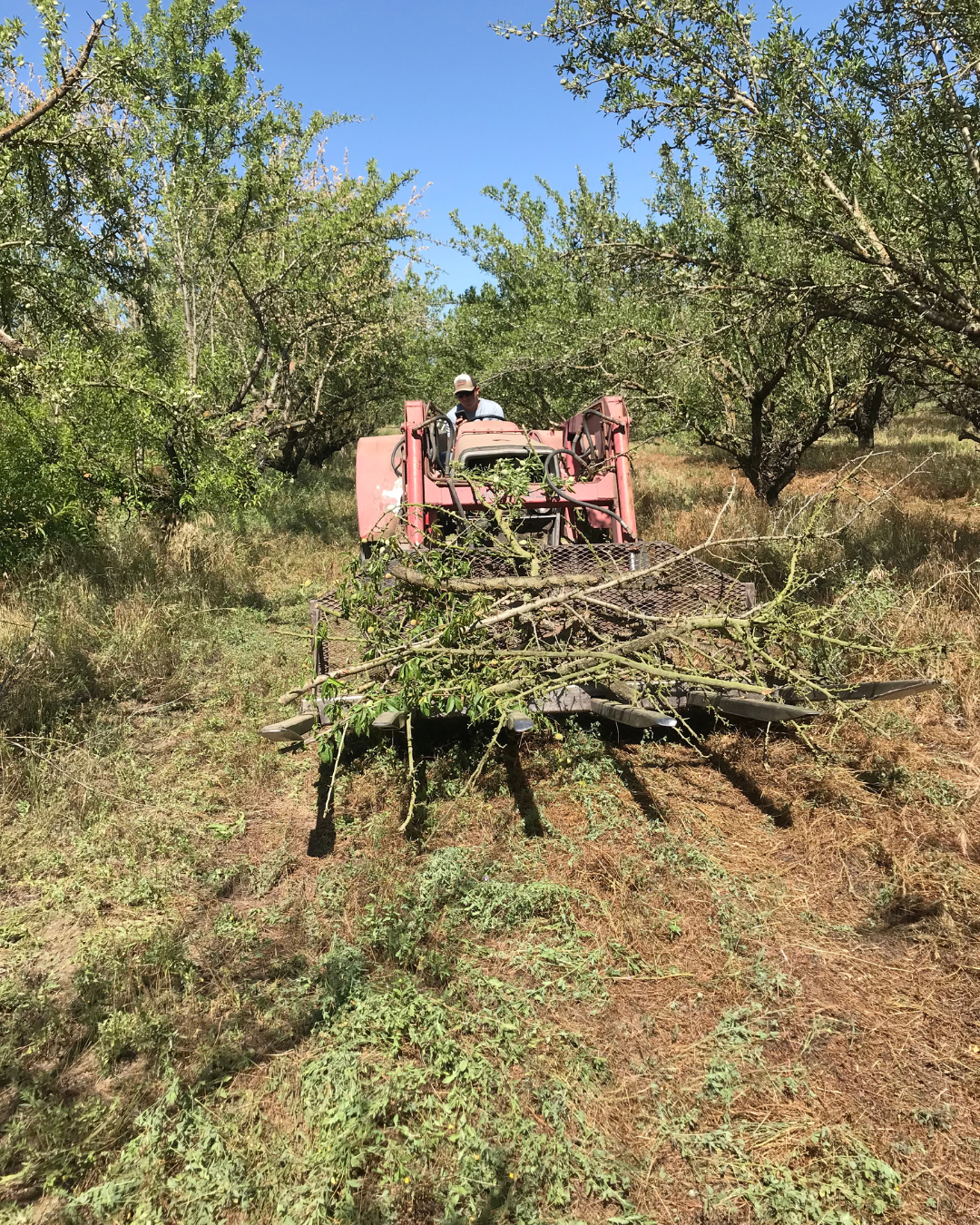
Testing biochar in almond orchards is at an earlier stage than vineyards. Trials in California are ongoing and are built around soil, carbon, and water rather than yield. Orchards differ from vineyards in one key way: the volume of material they produce.
Biochar In The Vineyard: The Evidence So Far
Does biochar earn a place in the vineyard? Research suggests it can deliver real gains, depending on location.
Biochar, Explained: An Ancient Soil Amendment, a Modern Tool
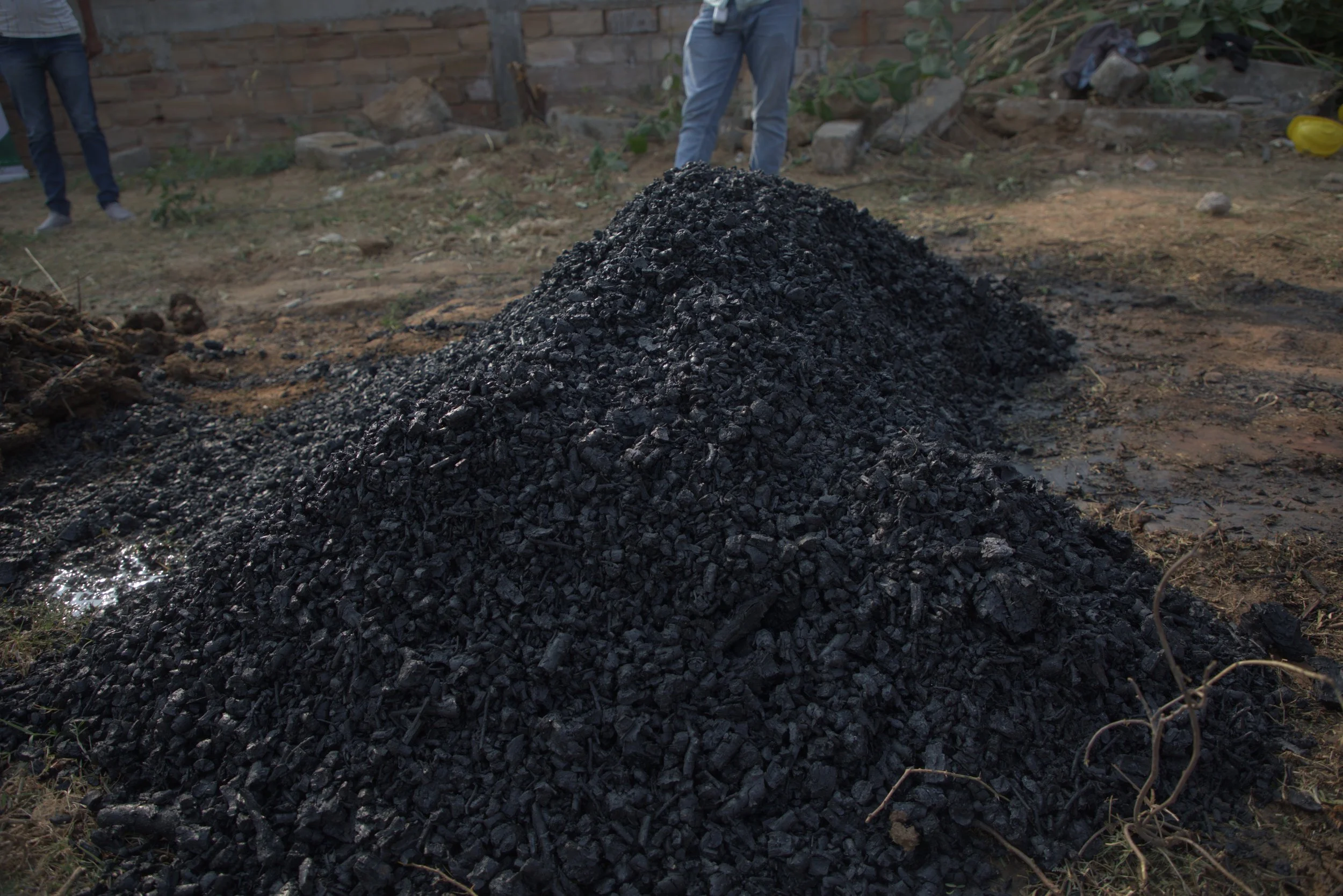
Biochar is organic material heated with little or no oxygen until it becomes a stable, carbon-rich solid. The process is called pyrolysis, and the feedstock can be almost any dry organic matter: wood, prunings, crop residue, or nut shells. The International Biochar Initiative defines it as a solid made from the thermochemical conversion of biomass in an oxygen-limited environment.
Why no-till?
Tillage can be used for many reasons including weed control, seedbed preparation, incorporating residue and amendments, loosening compacted soil, and historical practice. But the benefits of tilling can be short-term. Repeatedly disturbing the soil breaks down its structure over time, reducing organic matter, disrupting fungal networks, and leaving the soil more prone to erosion and moisture loss.
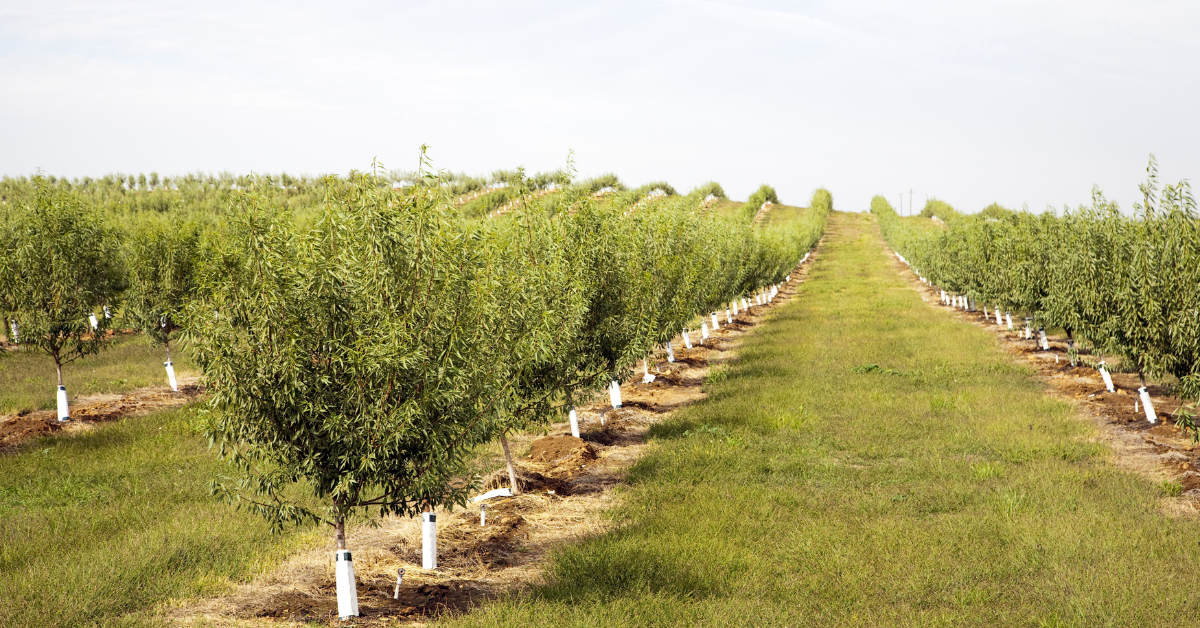
Transitioning to no-till, therefore, is a clear move a vineyard or orchard can make toward building healthier soil. Planted, rooted ground absorbs and holds water, is less prone to erosion, and builds organic matter and soil carbon over the years. Fewer trips across the block also mean lower fuel and labor costs.
Carbon Feeds the Soil
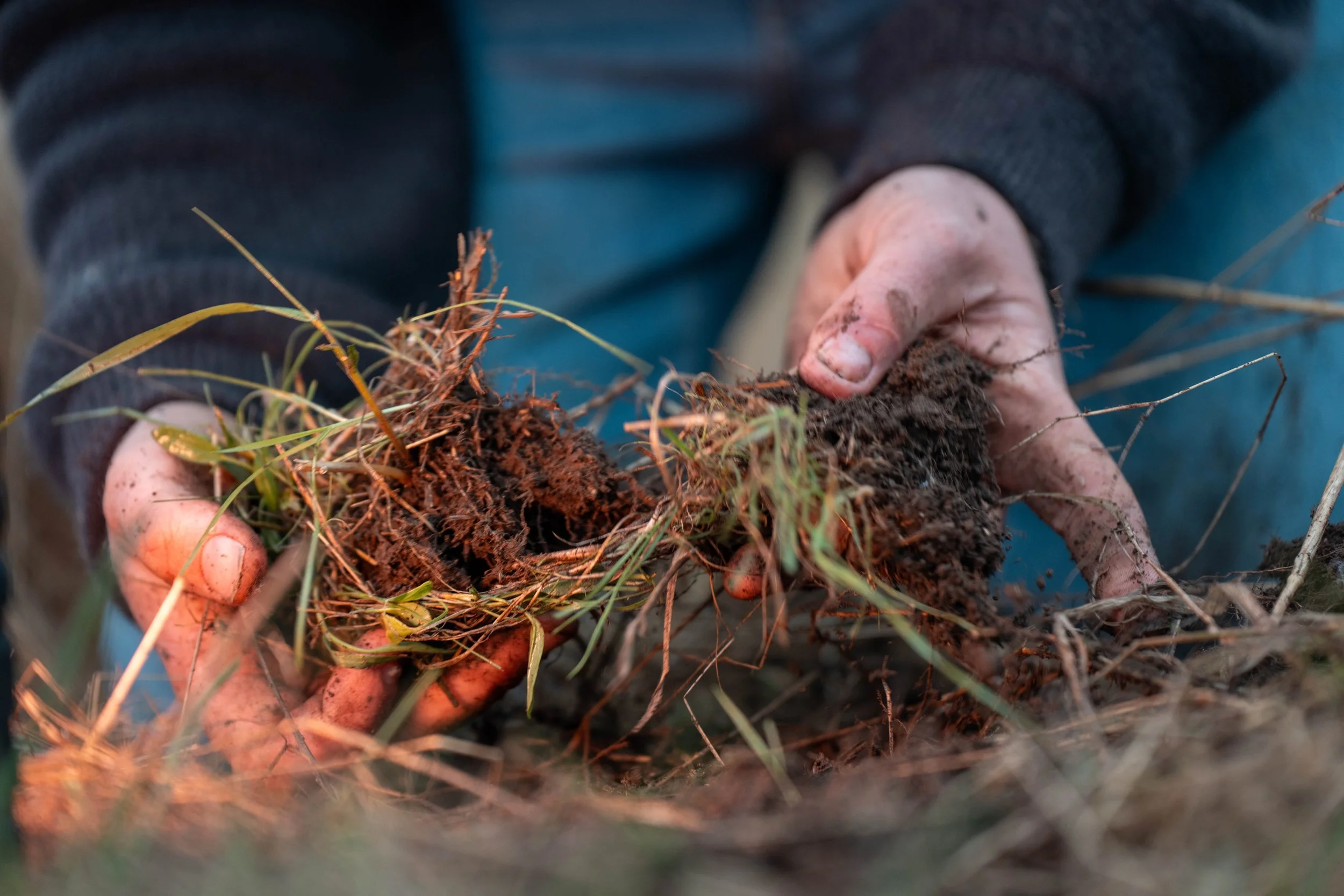
Soil organic carbon feeds the microbes and fungi that keep the whole system working.
Carbon Holds Nutrients
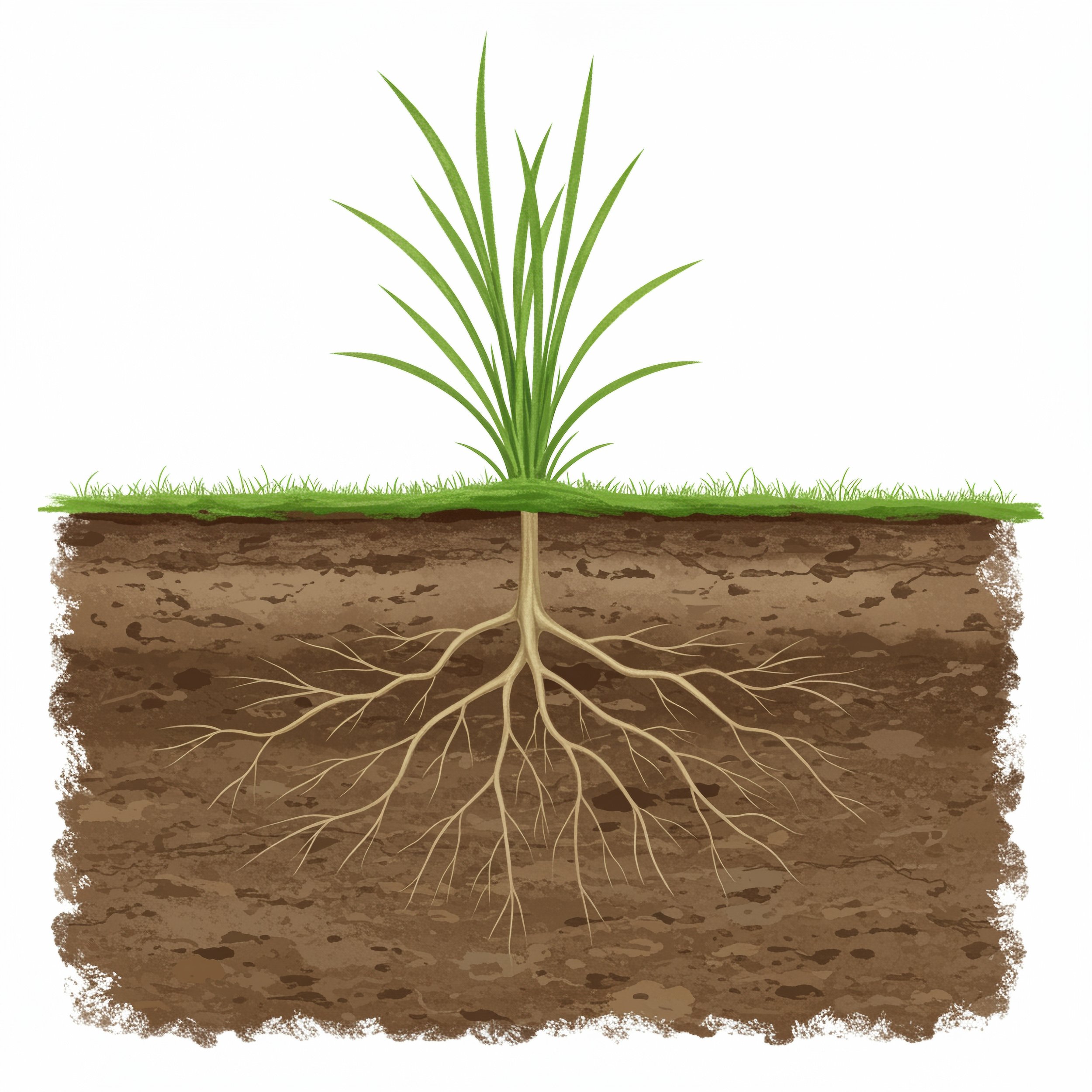
Carbon keeps nutrients where crops can use them. Calcium, magnesium, potassium, and other nutrients move with water through the soil, and on lighter soils a heavy rain or a long irrigation can carry them below the root zone before the crop takes them up. Building soil organic carbon is the main lever a grower has to slow that loss.
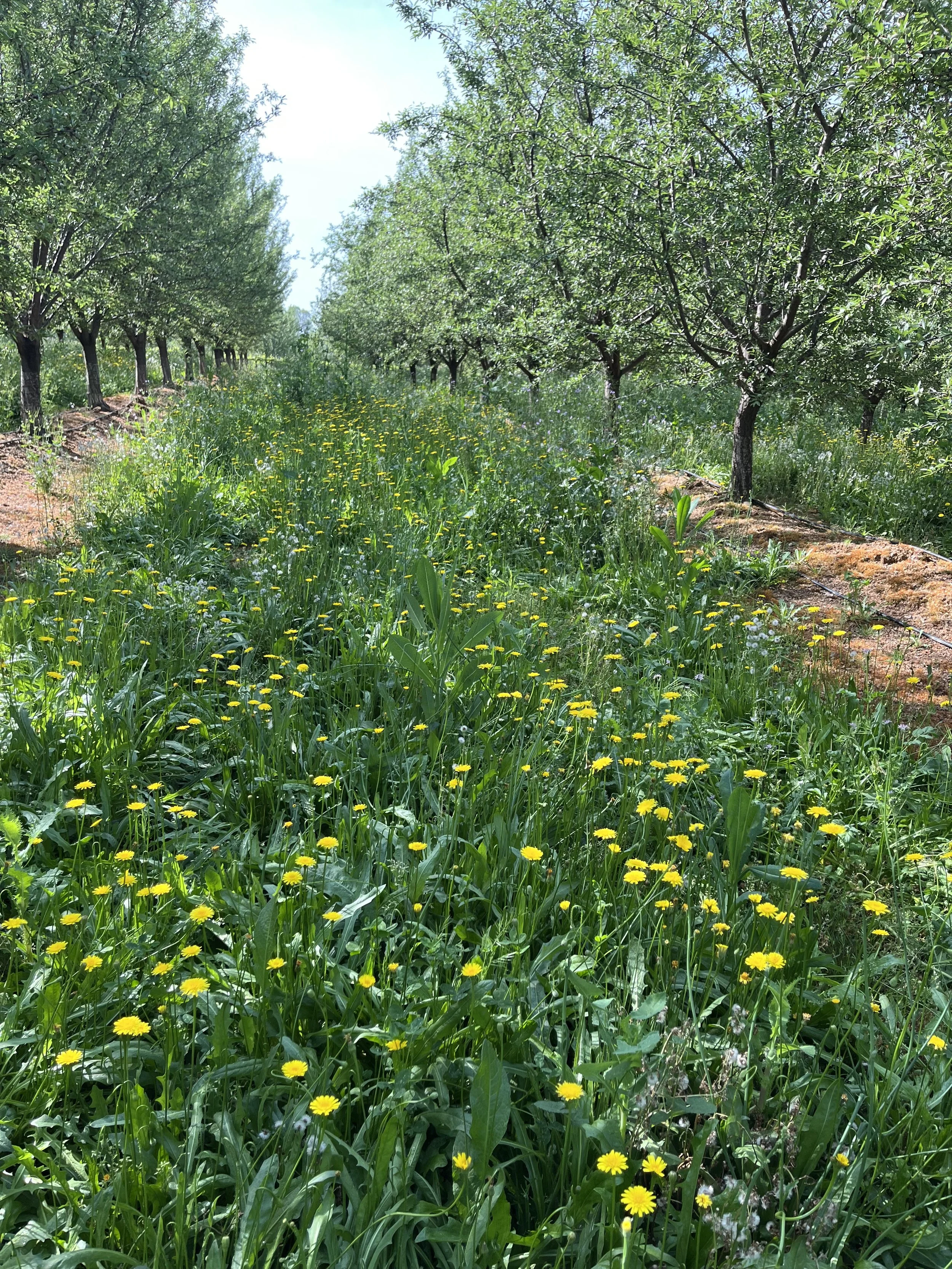
Growing Cover with Millborn Seeds: Choosing a Cover That Fits Your Goals
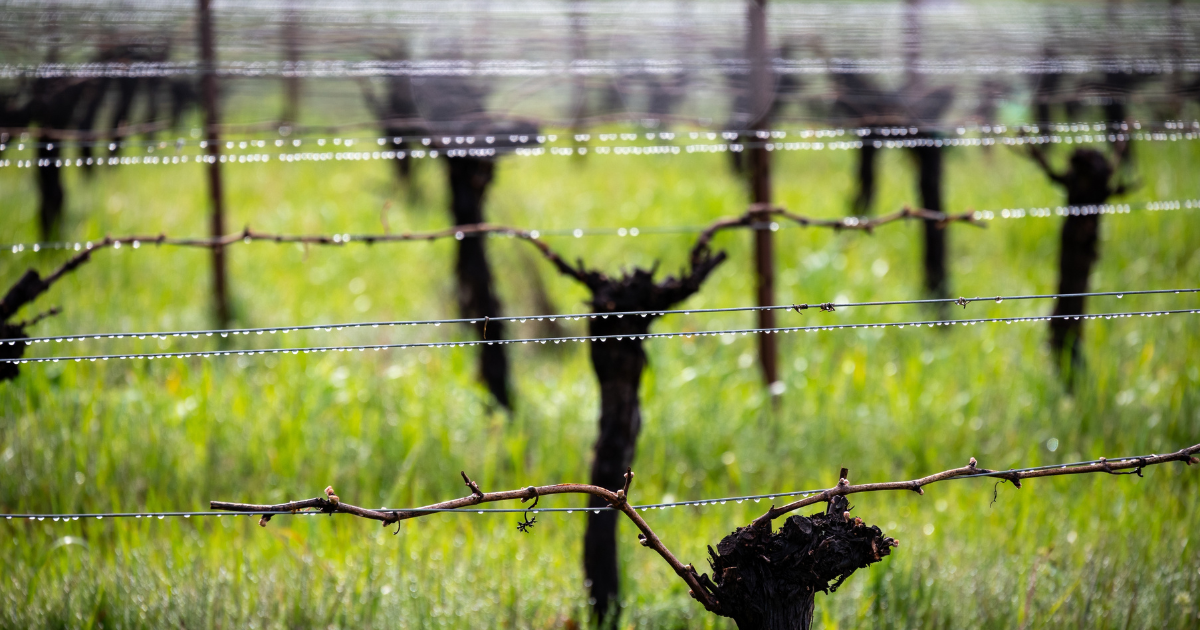
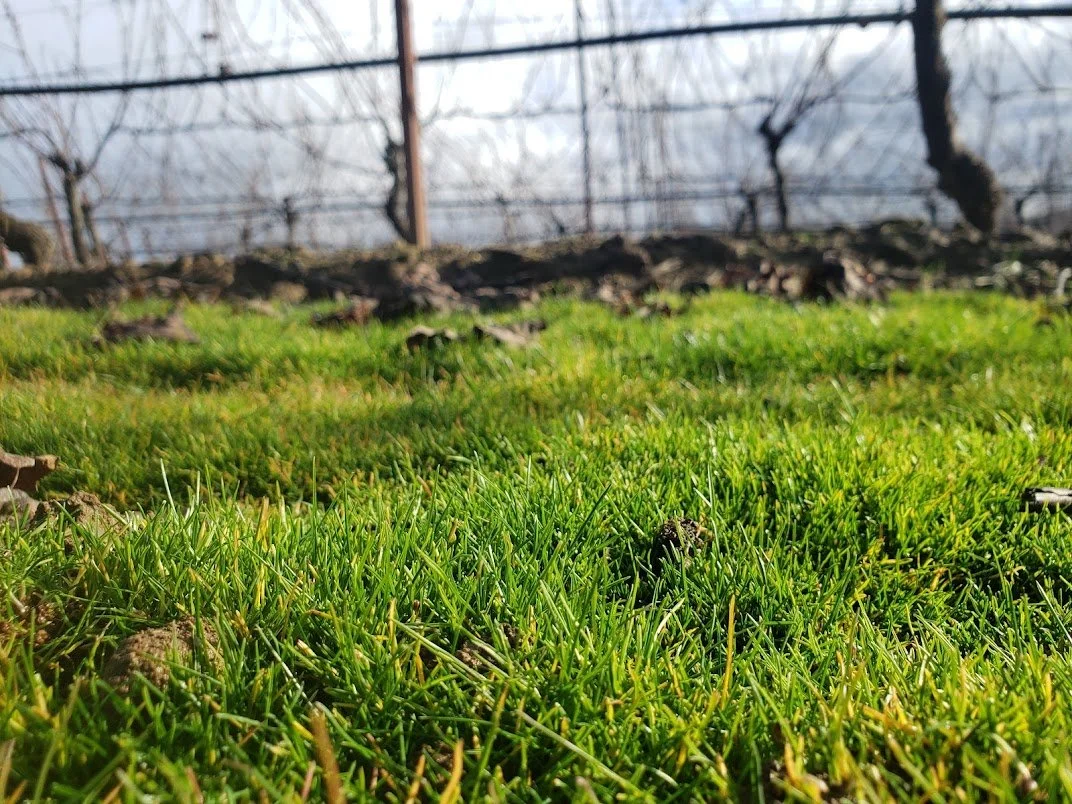
This is the fifth and final conversation in our Growing Cover series, where we talk about putting perennial cover to work in orchards and vineyards. This time we sat down with Justin Fruechte of Millborn Seeds, a full-line seed house whose catalog of natives, cover crops, and perennial grasses runs deep enough to build almost any mix imaginable.
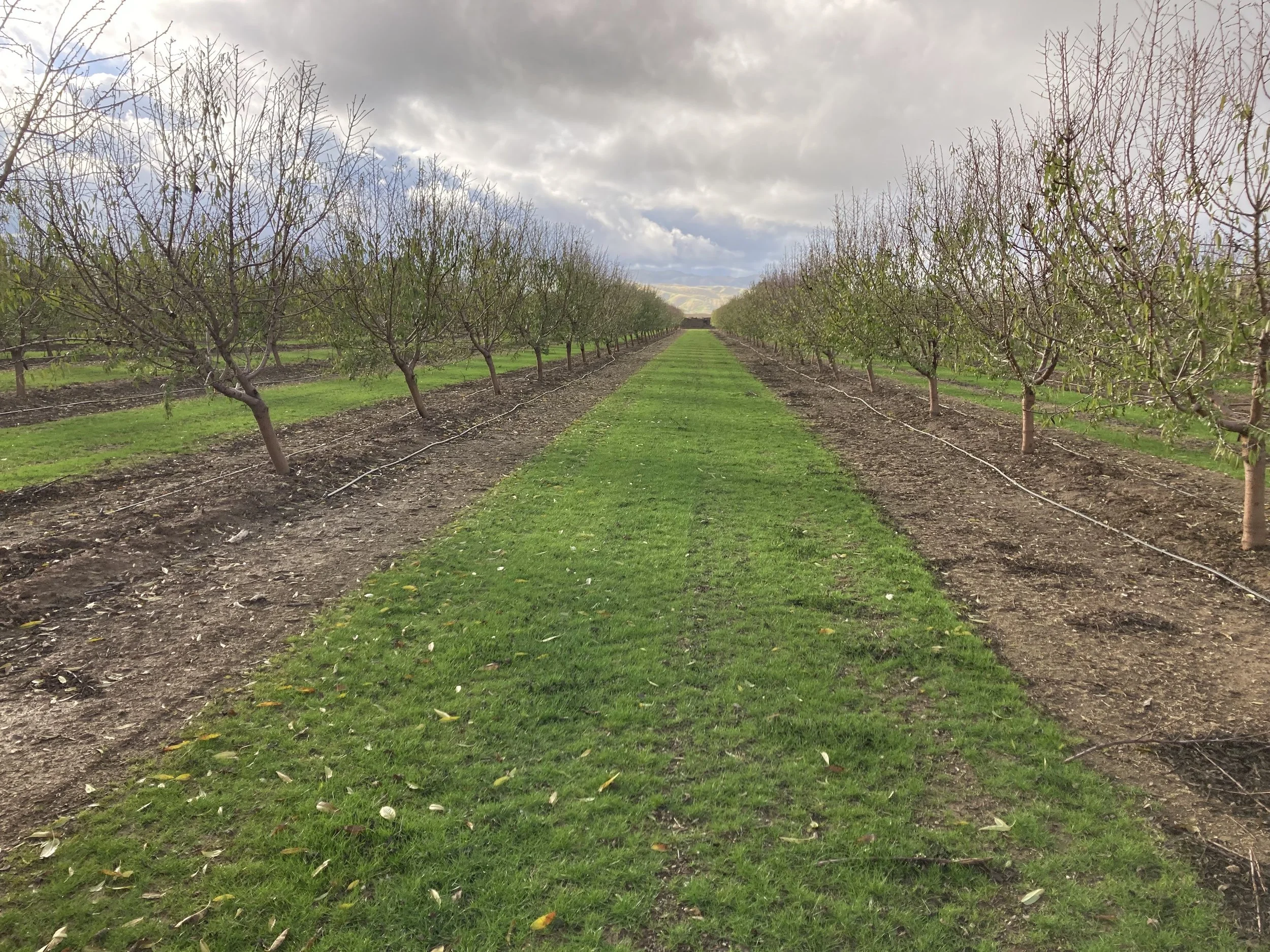
Growing Cover with Columbia River Seed: Getting the First Year Right
This is the fourth conversation in our Growing Cover series, where we talk about putting perennial cover to work in orchards and vineyards. This time we sat down with Cody Gyllenberg, Operations Manager at Columbia River Seed, the producer of the Radix hybrid bluegrass we call Oakville bluegrass.
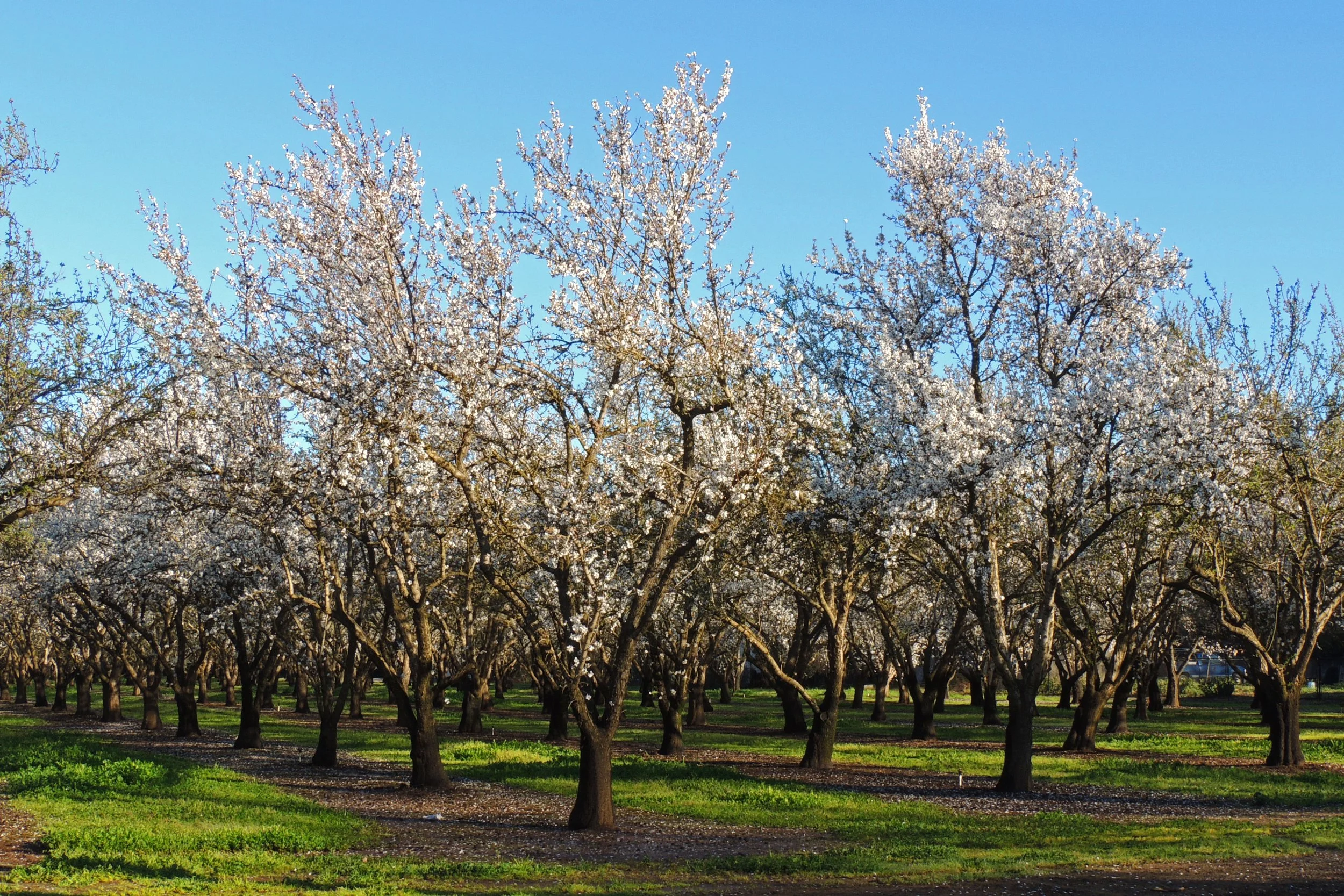
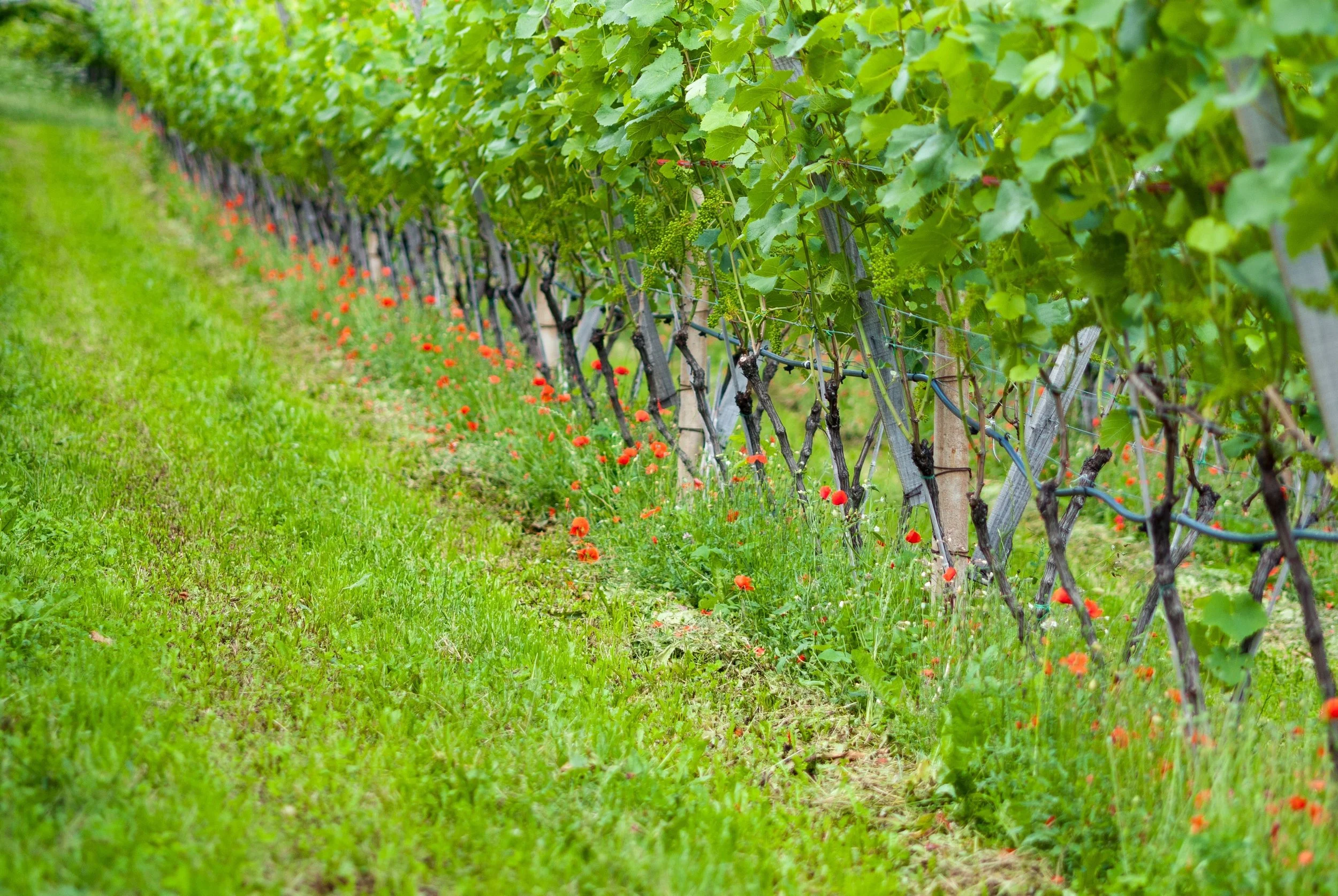
Growing Cover with Green Cover Seed: Building a Permanent Stand That Pays Off
This is the second conversation in our Growing Cover series, where we talk about putting perennial cover to work in orchards and vineyards. This time we sat down with Keith Burns of Green Cover Seed.
Keith and his brother started Green Cover in 2009 on their family farm in south central Nebraska. In the first year they produced enough seed to cover about 1000 acres. Today the company runs two locations, employs around 60 people, and ships 30 million pounds of seed to all 50 states and beyond. Because they use cover crops themselves, they have a stake in making sure what they sell works.
Here are five key ideas from our conversation that matter most for West Coast growers thinking about perennial cover.
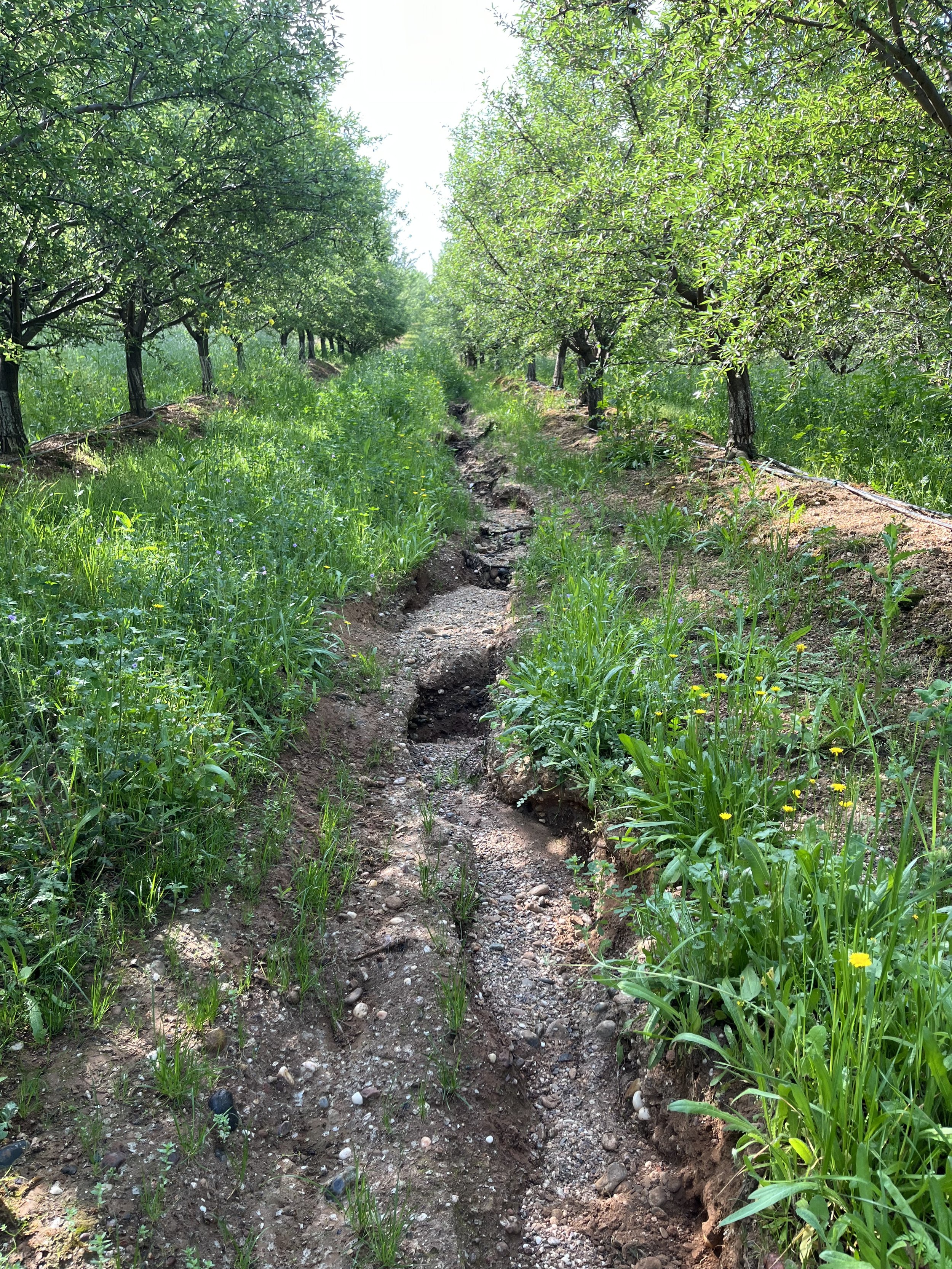
Hold Your Ground: How Perennial Cover Crops Control Erosion In Orchards And Vineyards
Various forms of erosion look different in vineyards and orchards. But they all cost you in terms of time, productivity and land value. Whether it's water cutting and carrying fertile soil away during winter storms, hot winds blowing soil during summer, or repeated tillage shifting it with every pass, they share the same weakness. Your most valuable asset with nothing rooted in it and nothing covering it, is ready to move.
The good news? There's an affordable and practical solution
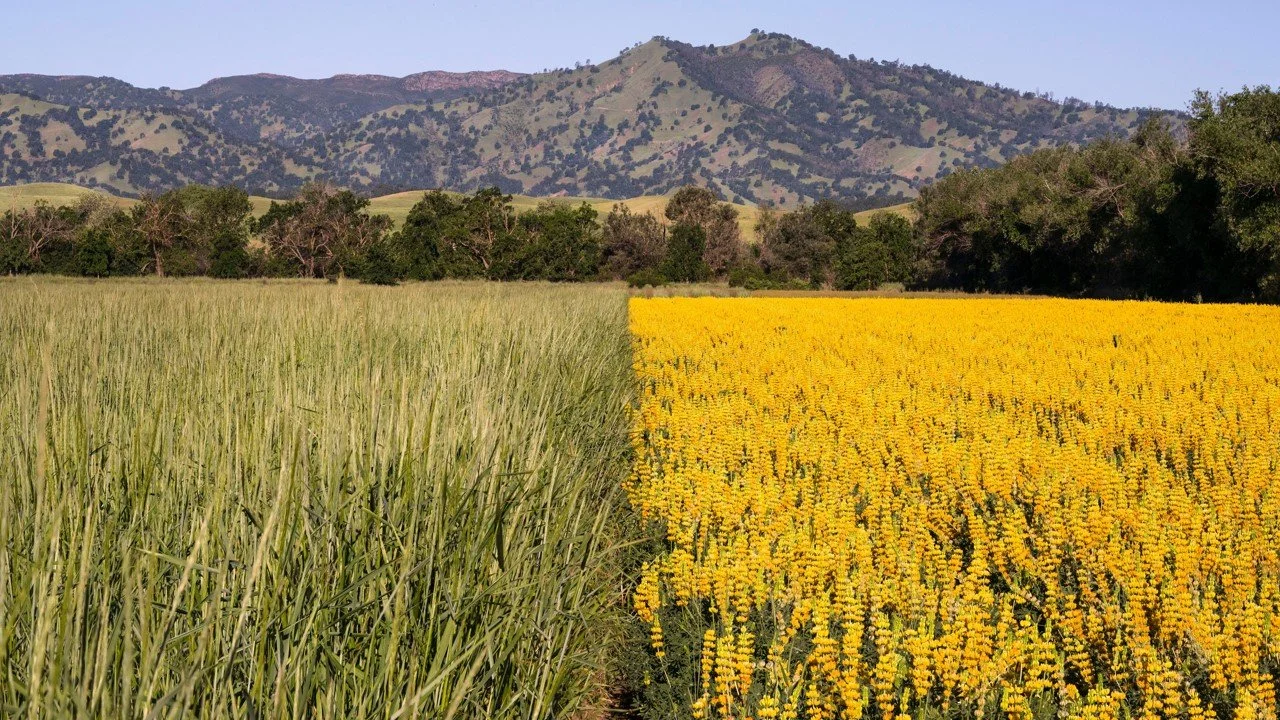
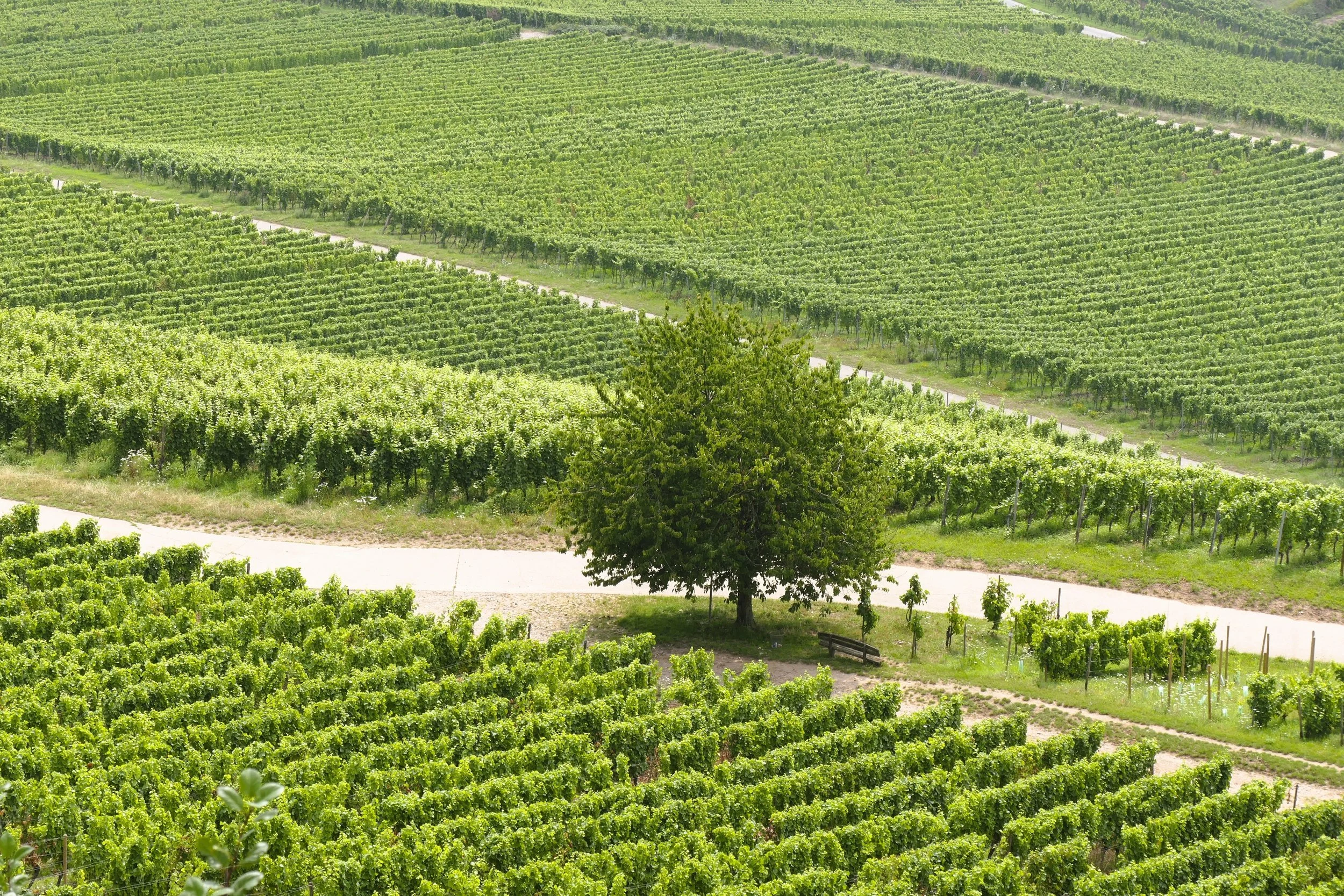
How NCRS Practice 327 builds soil health in your orchard or vineyard
Planting the alleys with a perennial cover keeps living roots in the ground, which improve soil aggregation and water infiltration. Perennial cover crops build soil organic matter, and increase microbial activity in the soil thereby supporting nutrient availability for the cash crop.
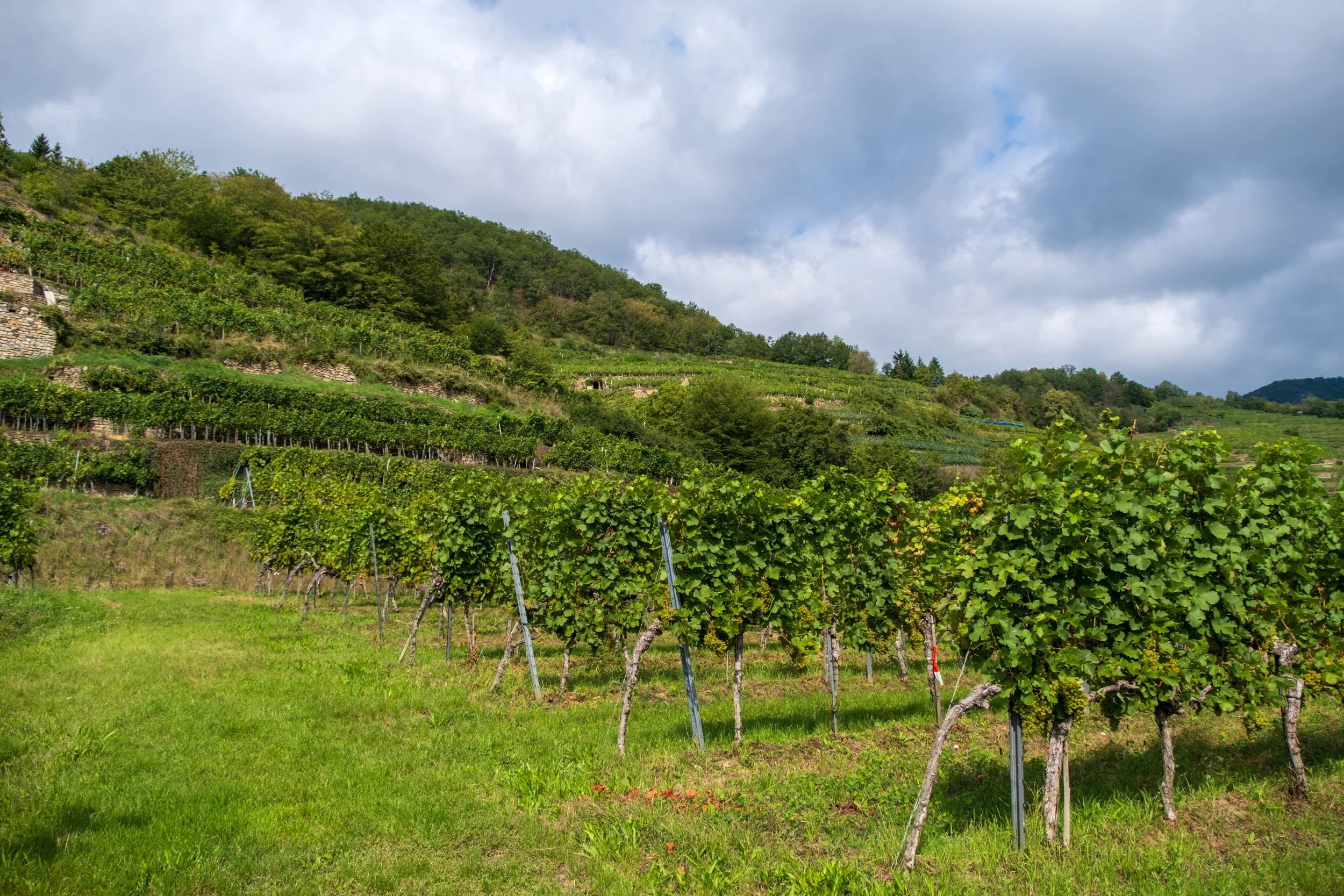
Let's Stop Punishing Farmers Who Are Making Our Food System More Sustainable
To gain momentum with “the best” climate and soil friendly practices in agriculture, we need first movers. We need early adopters, pioneers and visionaries. We need them to prove the thesis, to lead and to help de-risk the practice, while establishing the social and cultural norm of success through reduced tillage and continuous living cover. We need trailblazers.
Roots vs Shoots
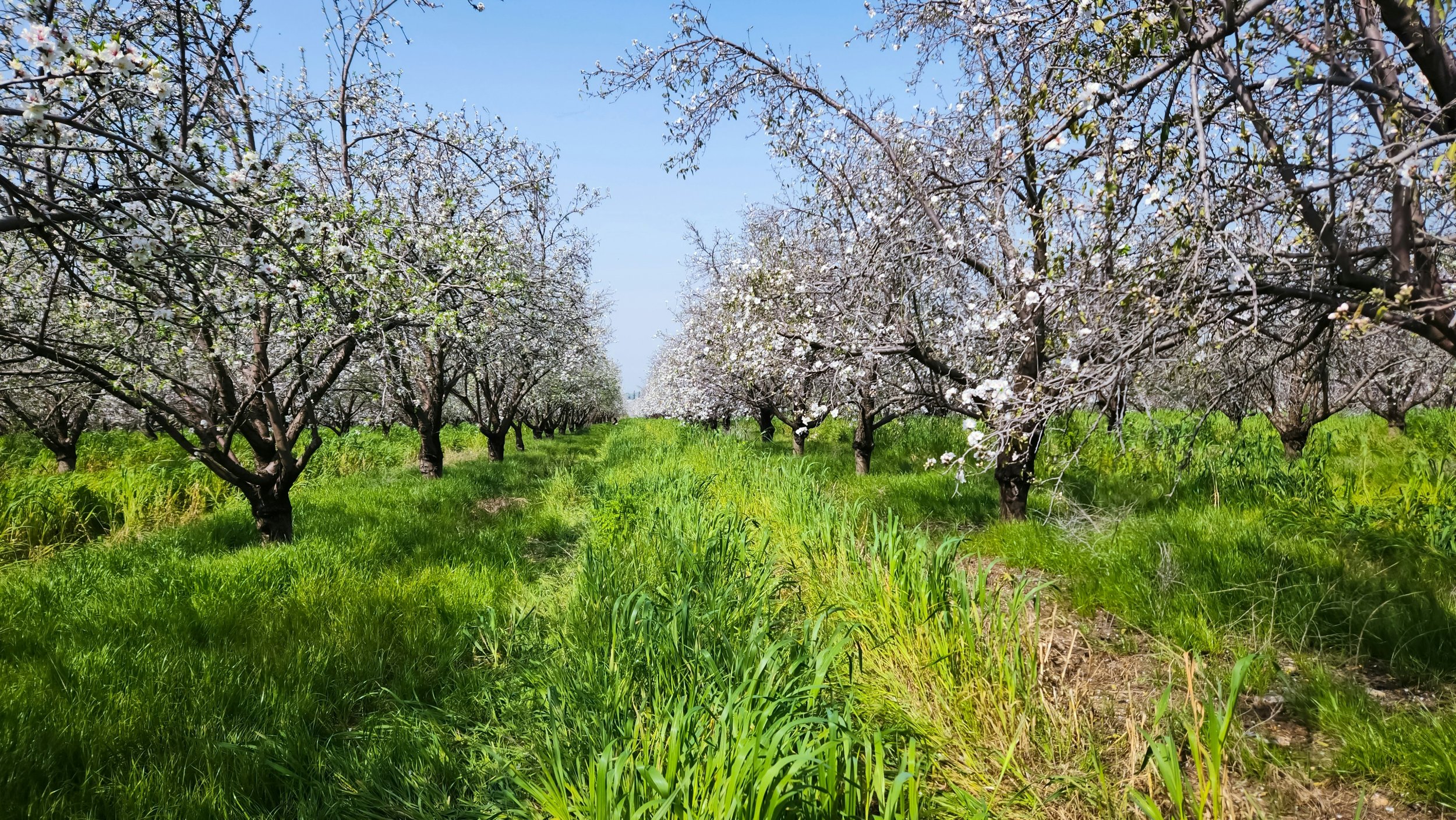
Roots vs. Shoots; Biomass vs. Biological. When it comes to covering the “floor” of your vineyard or orchard, an entirely new conversation is taking place.
What Earthworms Can Tell You About Your Soil: A Simple Shovel Test
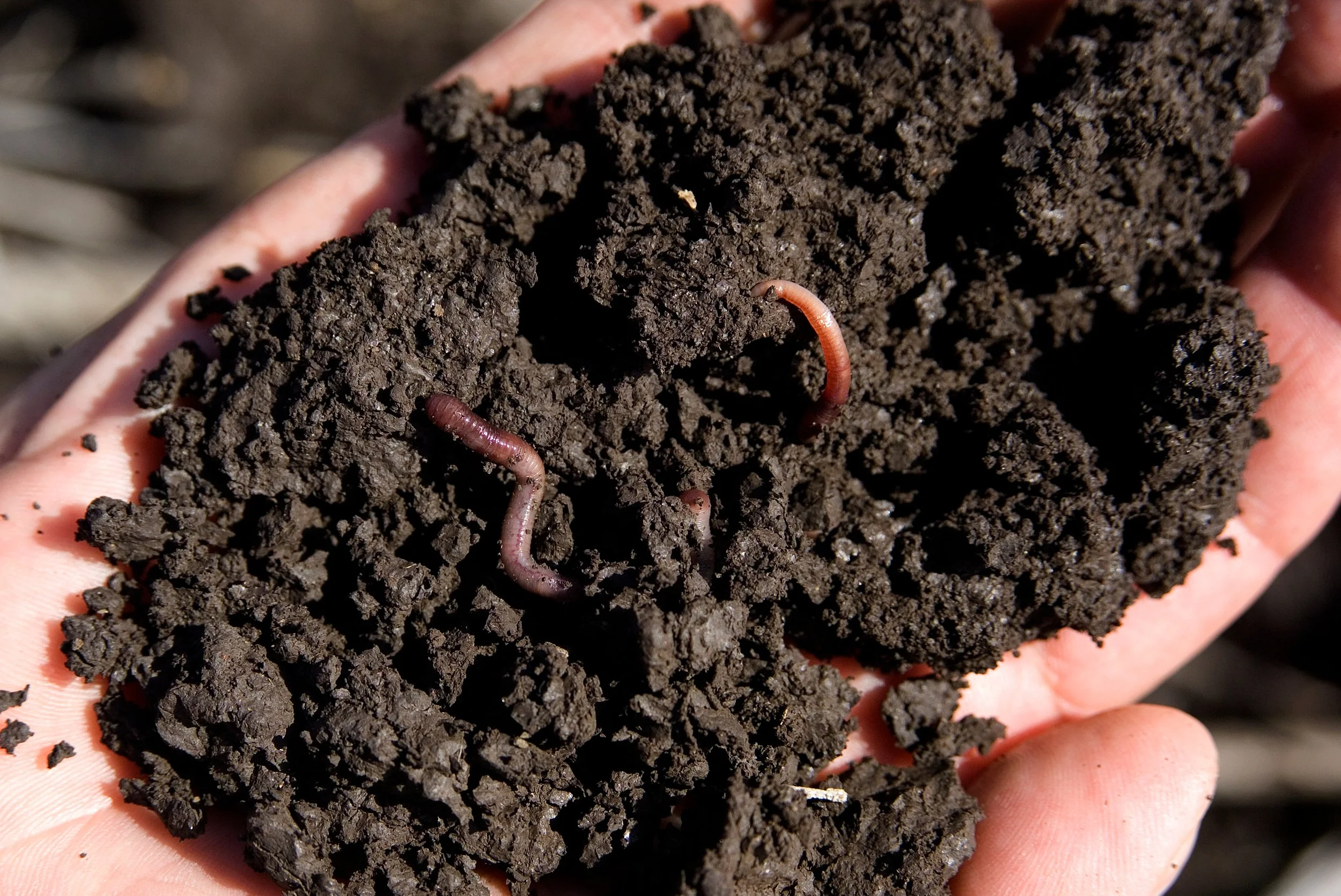
If you want a quick, honest read on what's happening below the surface of your orchard or vineyard floor, take out a shovel.
What Getting a FSA Number Means For You
First step in the AMP grant process? Getting an FSA number. What does that mean exactly?