
Growing Cover with Great Basin Seed: Building a Mix That Suits Your Soil
This is the third conversation in our Growing Cover series, where we talk about putting perennial cover to work in orchards and vineyards. This time we sat down with Daysha Nelson of Great Basin Seed.
Great Basin Seed has grown from a 1974 native seed collection operation in Ephraim, Utah, into a nationwide supplier. Its specialty is cool-season grasses, the family best suited to California's wet-winter, dry-summer pattern, alongside a deep catalog of legumes, cover crops, pasture grasses, alfalfa, grains, and natives. The company operates under a few names out of a single warehouse, so the Haystack Mountain label you see on the bags is the same outfit. For the full catalog and the planting detail behind every variety, start at greatbasinseed.com.
Here are five key ideas from our conversation that matter most for West Coast growers thinking about perennial cover.
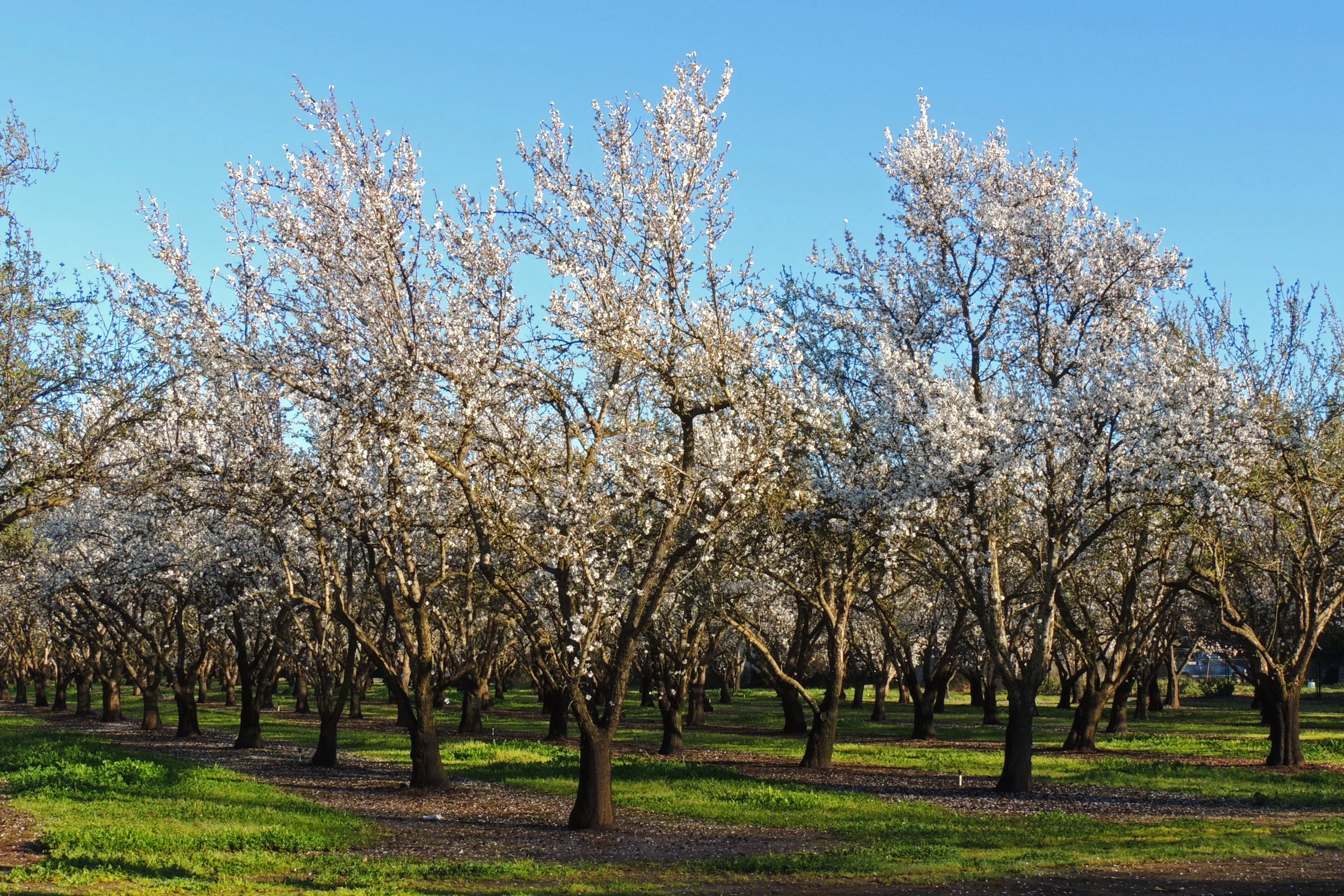
1. Start with your ground, not your zone
Understanding your Growing Zone (USDA Plant Hardiness Zones) is only one component to consider when choosing seed. What actually drives the choice is soil type, irrigation availability, elevation, minimum winter temperature, and annual precipitation. Two operations in the same USDA zone, an hour apart, can need completely different mixes.
An example in Washington makes the case. One area sits at about 12 inches of annual precipitation in dry sagebrush country. An hour down the road, green unirrigated fields pull 26 inches. Same zone on the map, two different worlds for a seed mix. The blend that thrives on your neighbor's ground may be wrong for yours, and that's exactly what a custom mix is built to handle.
2. Roots, not shoots: the species that fit
The goal on most orchard and vineyard floors isn't a tall flush of growth. It's cover that keeps living roots in the ground, stays short, and handles the shade as the canopy fills in. That rules out many perennials bred for forage or reclamation, which can run three to four feet tall.
The species that fit this job stay low and tolerate partial shade. Fescues lead the list: hard, Sheep, and Idaho fescue are all shorter-growing, with Idaho fescue notably drought-tolerant. Clovers add a low profile legume option. Among cool-season perennial grasses, Siberian and bluebunch wheatgrass top out around 12 to 15 inches, in the range growers keep asking for.
That short stature is the point. As one almond grower put it to OBC staff, "I want roots, not shoots." He wanted the roots opening the soil and reaching for water while the top stayed easy to manage.
In the traditional sense, a perfect perennial cover crop doesn't exist, since most cover crops are annuals bred to be terminated. That's the gap OBC is working in. The aim isn't to plant something and kill it. It's to make cover a permanent part of your system. Annuals and grains can still earn a place in the mix for the organic matter they add, as long as their percentages stay low enough that the fast growers don't shade out the slower perennials.
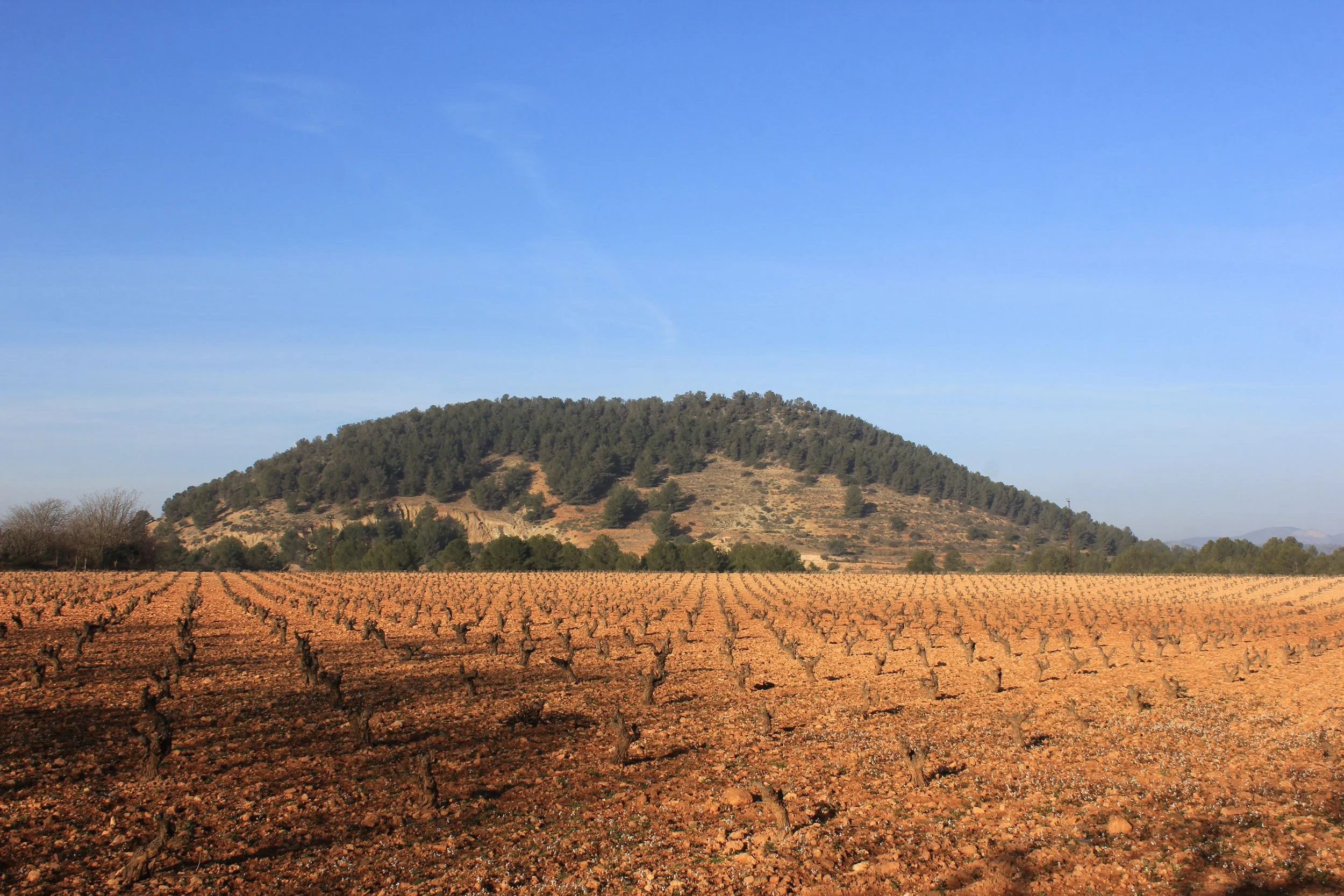
3. How dryland perennials ride out the dry season
So what happens to a cool-season perennial when inland California sits above 90 degrees for weeks? It often goes dormant. Heat is the trigger: a stretch at 90 to 100 degrees shifts the plant into a yellowed, resting state. While it's dormant, it's barely growing, so it's barely using water.
There's a deeper story underground. Dryland varieties build deep roots that carry them through. Even when the surface is bone dry, those roots reach moisture lower in the soil profile. How much they find depends partly on the soil, since fast-draining sand holds less moisture to pull from. In Utah, Great Basin Seed plants dryland varieties with no irrigation at all, and those stands survive three months without moisture. That can also fit in California’s mediterranean climate.
This matters more every year, and the trend shows up in what Great Basin sells. Its busy season is sliding earlier. March led this year against a normal late-spring peak, and more growers are choosing dryland and grain varieties because the water isn't there. A recent pass through Red Bluff made it plain: the Sierra Nevada was nearly bare of snow. The case for deep-rooted, dry-adapted cover isn't ours alone; a western seed house is watching the same thing.
4. Custom mixes, small minimums, and getting it to your ground
This is where Great Basin Seed stands apart. OBC growers may not want an off-the-shelf blend; they want to pull something out, add something in, or dial a wildflower up or down. Great Basin builds custom mixes at no added cost, except on very small orders. Bring them an NRCS species sheet and they'll price it out. Give them your goals, and they'll ask about your soil, water, elevation, and precipitation, then build the blend for you.
Their minimums are small, too: as little as an ounce on many varieties, up to a truckload. That's unusual, since a lot of suppliers won't touch a custom mix under 500 pounds. One useful tip: their site lists seeds per pound, which tells you more about value than price alone. A species that looks expensive by the pound might carry ten times the seed count of a cheaper one, changing the math when you blend.
On timing, they're nimble. Figure about a week to finalize a custom mix, sometimes a couple of days, and a pallet ships a day or two after that. For OBC growers, we're working on staging and pre-mixing orders so we can move several pallets to California together rather than one at a time.
5. The math, and how grant funding closes the gap
Perennial seed frequently costs more than a quick annual mix, sometimes several times more, and that up-front number is the barrier for a lot of growers. But permanent cover can match the lifecycle of your orchard or vineyard, so you're not buying seed and replanting every fall. Add the tractor passes you skip, since mowing takes less horsepower and fewer trips than tilling, and the payback comes sooner than the sticker price suggests.
This is where OBC's Advancing Markets for Producers grant takes the up-front cost off the table. It covers 100 percent of the seed cost for your first 10 acres, excluding tax and shipping. Benchmarked against Oakville bluegrass, that's roughly a $3,700 seed budget for those acres, plus an additional $100 per acre for the next 100 acres. Any qualifying perennial, permanent, or conservation cover mix works, including hard-seeded annuals you let reseed. That leaves plenty of room to build something custom with Great Basin, or to trial two or three small pilots to see what fits your ground.
---
If you're considering perennial cover for your orchard or vineyard, now is the time to sort out seed and logistics, especially with harvest running early this year. Browse Great Basin Seed to see what fits your ground, then reach out to find out whether the AMP grant fits your operation, and we'll match your goals to a mix that works for your location.