
Why no-till?
Adding perennial cover brings an array of soil health benefits, but for many growers it also brings a change in floor management: no-till.
Tillage can be used for many reasons including weed control, seedbed preparation, incorporating residue and amendments, loosening compacted soil, and historical practice. But the benefits of tilling can be short-term. Repeatedly disturbing the soil breaks down its structure over time, reducing organic matter, disrupting fungal networks, and leaving the soil more prone to erosion and moisture loss.
Transitioning to no-till, therefore, is a clear move a vineyard or orchard can make toward building healthier soil. Planted, rooted ground absorbs and holds water, is less prone to erosion, and builds organic matter and soil carbon over the years. Fewer trips across the block also mean lower fuel and labor costs.
No-till is one component of a regenerative system. Planting perennial cover in the row middles and allowing the undisturbed roots to build soil structure, outcompete weeds, and hold soil moisture allows this system to take hold. These dual practices are the keys to building soil health for the long term.
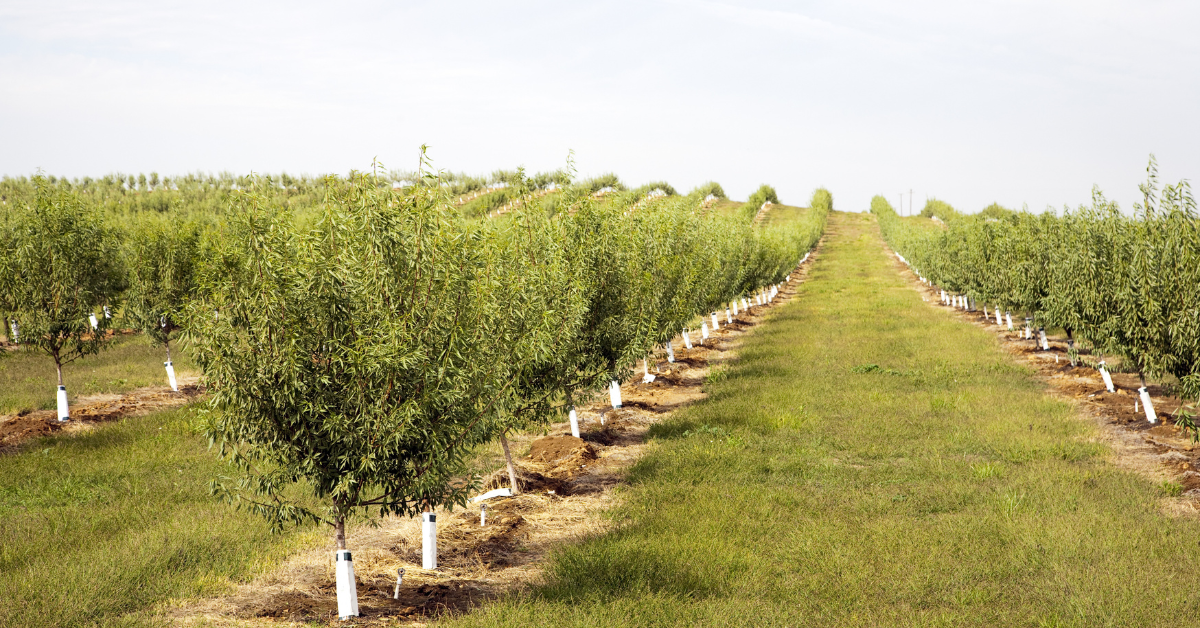
Let a cover crop take over the middles
The middles can be the easiest place to start when converting to no-till. A living cover will compete with weeds for light, water, nutrients, and space, the same competition a disc interrupts when it clears everything. As the stand grows and establishes, it will replace the need for discing.
Once rooted, living cover returns each year and the roots deepen enough to open the soil from below. Sod-forming grasses, such as Oakville bluegrass, can handle equipment traffic and keep a firm floor without the loosen-and-repack cycle a disc creates.
The transition year is when weed pressure can spike, since the cover is not yet thick enough to shade the ground fully. Planning for that gap, with a mow or a spot treatment, keeps the block from getting away during establishment. If needed, an annual mix can bridge the first season or two while a perennial stand fills in.
Swap steel for roots on compaction
Discing is often used to loosen compacted ground. While it loosens the top layer, the heavy equipment and repeated passes, can leave behind a hardpan layer below the soil surface that is impervious to roots and water infiltration.
Root systems: the lasting work happens underground. Deep taproots bore channels through compacted layers, and those channels carry water and air long after the roots die back. The rest is prevention, mostly a matter of keeping equipment off heavily saturated soil, that is prone to compaction.
Keeping weeds down without discing
Under the trees or vines, where a cover crop may be more difficult to establish, alternatives to tilling include:
- Mowing on a timed schedule to keep middles and berms low and weaken weeds before they seed.
- Mulch, including chipped prunings, shades the in-row strip and feeds soil biology as it breaks down.
- Under-vine tools such as knife or blade weeders and finger weeders work the strip shallowly, far gentler than a disc.
- Targeted spot treatment where the operation allows.
A combination of the above can be effective until the cover crop matures and takes over.
Phase it in and watch the ground
A phased approach can be helpful for understanding the difference no-till and living cover make. Trying the approach on a block or a few rows, then comparing it against a block still tilled, shows how the soil and the weed pressure respond before the change scales up.
Understanding baseline water infiltration and compaction issues, and resident weed pressure, helps to inform the transition strategy. Choosing a perennial cover species mix to meet the goals, plus good planting prep and timing, increase overall transition success. The goal is that over a season or two, with good establishment and management, the benefits of covering the ground will begin to show. Every situation is different, however, and it may take some trial and error to find the right species and management practices.
The soil benefits
Water infiltration
Rooted, undisturbed soil absorbs rain and irrigation more quickly. An intact pore network channels water down through the profile rather than pooling and running off across the surface. A covered surface, whether crop residue or a living stand, increases infiltration, so more of each rain or irrigation event is available to the crop. As organic matter builds over the years, water-holding capacity often improves as well, which can help in both dry stretches and heavy-rain years.
Erosion control
A covered soil surface shields the ground from wind and the impacts of rain, so far less of it moves off slopes or lifts into the air. Reducing erosion keeps topsoil in place, and rooted ground limits dust, which matters for air quality across the Central Valley and other growing regions where blowing soil is a regular concern.
Building carbon and organic matter
Tillage speeds the breakdown of organic matter by mixing air into the soil, which releases carbon that took years to accumulate. Leaving the ground undisturbed slows that loss. Paired with cover crops or crop residue, no-till allows organic matter and carbon to build over time. The gains are gradual and vary with soil type and climate, but the direction is the same.
Fewer passes, lower costs
Every trip across the block burns fuel, and increases labor and equipment costs. Cutting tillage passes reduces all of that. Keeping the surface undisturbed also keeps buried weed seeds from surfacing into the germination zone, so the weed seedbank near the surface quiets down over the first year or two.
How AMP helps with the switch
Seed is the upfront cost that stops many growers from trying perennial cover. AMP, the Advancing Markets for Producers program that OBC administers, is built to cover it. AMP pays for perennial and conservation cover seed up to $13,750 per producer.
If you farm permanent crops in California, Oregon, Washington, or Arizona and want to move away from discing, reach out to OBC. We can walk you through AMP eligibility, help you pick seed for your blocks, and lay out a transition plan that keeps weed control and compaction covered from the first season. Reach out today before applications close on August 28.